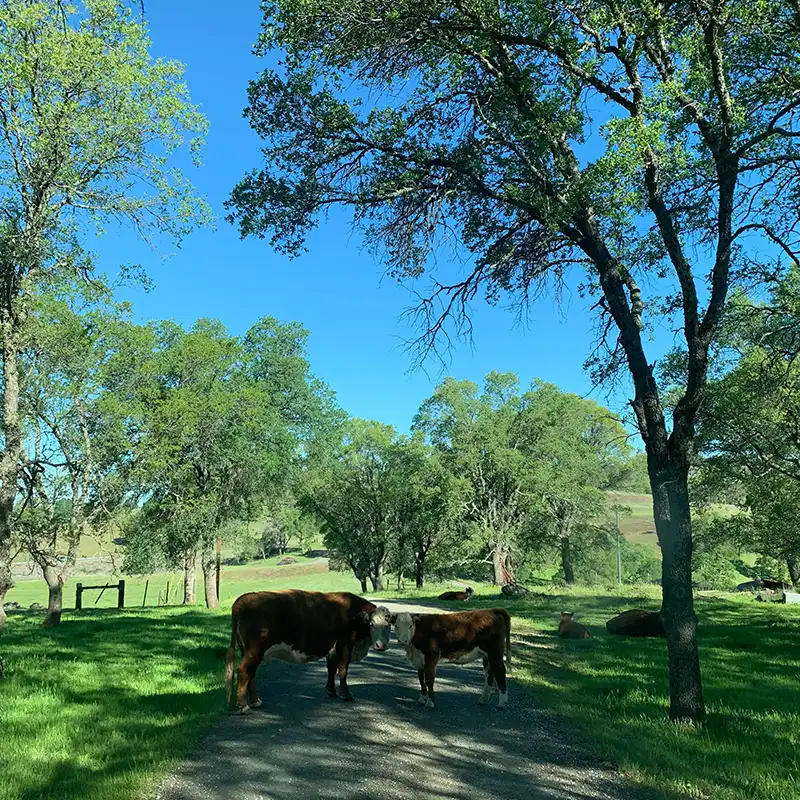
Protecting Our Land, Our Livelihoods, and Our Way of Life
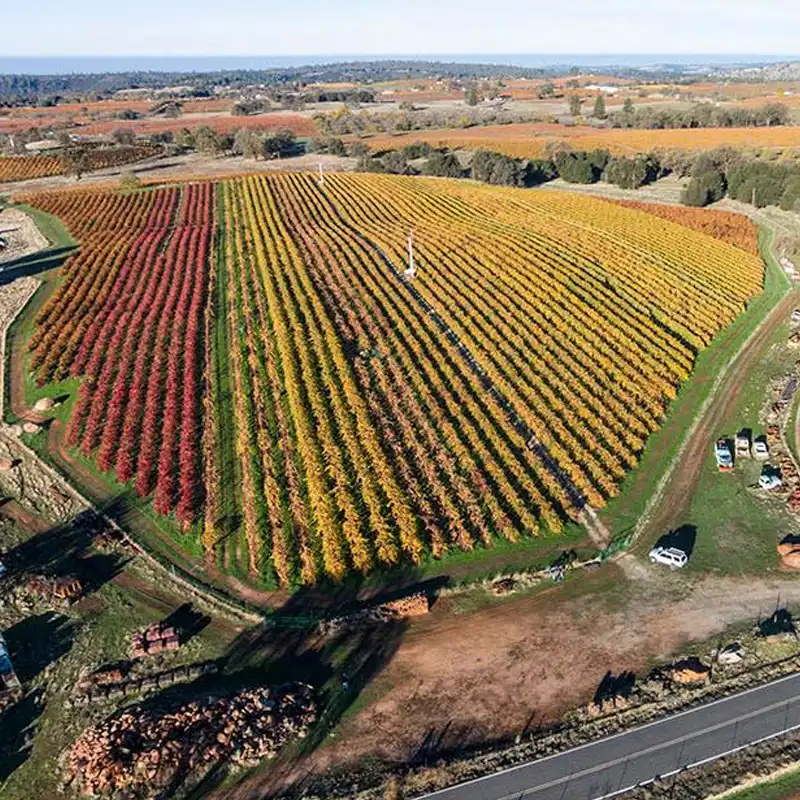
Amador County’s historic vineyards and wineries, family farms, and working ranches are more than just part of our local economy—they are the backbone of our community and the essence of the way of life we cherish. These lands tell the story of generations who have lived, worked, and cared for this county, and they continue to define the beauty and character that make Amador such a special place to call home.
As a fourth-generation resident, rancher, and small businessman, I don’t just talk about agriculture—I live it every day. My family has worked this land for generations, and I understand firsthand the challenges that come with maintaining a livelihood in agriculture today. That perspective has guided every decision I’ve made as your District 5 Supervisor.
“If we don’t support our local farms, ranches, and vineyards, we risk losing not just an industry—but the very character of Amador County.”
Rooted in the Land, Focused on the Future
Agriculture is deeply woven into the identity of Amador County. From vineyards that produce world-class wines to ranches that sustain our rural economy, these operations are vital not only for jobs and local business—but for preserving open space and protecting our scenic landscape.
But over the years, increasing government regulation has made it more difficult for farmers and ranchers to operate. Too often, “one size fits all” policies coming from the state fail to account for the realities of rural counties like ours.
That’s why I’ve consistently taken a stand for smaller, smarter government—government that supports local industries instead of burdening them.
Cutting Red Tape for Farmers and Ranchers
One of my priorities as Supervisor has been to remove unnecessary barriers that make it harder for agricultural operations to function.
I worked to help pass a permitting process that made it easier and more affordable to construct agricultural-exempt buildings. For many farmers and ranchers, these structures are essential for storing equipment, protecting livestock, and maintaining daily operations. Reducing costs and delays in this process was a practical step toward supporting those who keep our agricultural economy strong.
At the same time, I opposed efforts to ban sea-land containers—an issue that may seem small but has real-world consequences. These containers are widely used by farmers and businesses to safely store equipment and supplies. Eliminating that option would have created unnecessary hardship for local operations.
“Sometimes protecting agriculture means paying attention to the details—because those details make a real difference in people’s livelihoods.”
Fighting Burdensome State Mandates
Many of the biggest challenges facing our agricultural community come from state-level regulations that don’t reflect local needs.
When Amador County was required to implement the CUPA (Certified Unified Program Agency) program, I worked hard to ensure that it was done in a way that minimized the burden on our local businesses, farms, and ranches. Without those efforts, the program could have imposed costly and unnecessary requirements that would have made it harder for small operations to survive.
Similarly, I strongly opposed AB 885, a state regulation that would have imposed excessive restrictions on septic systems. As originally proposed, it would have created significant financial and operational burdens for farms, households, and businesses across our county.
I pushed for a more reasonable approach—one that protected environmental standards without placing unrealistic demands on residents and agricultural operations. In the end, less restrictive policies were adopted, helping to avoid unnecessary costs for our community.
Protecting Property Rights and Rural Traditions
Agriculture doesn’t exist without strong property rights—and I have always been a firm defender of those rights.
I strongly support Amador County’s Right to Farm Ordinance, which protects farmers and ranchers from nuisance complaints and helps ensure they can continue operating without undue interference. This ordinance is critical to maintaining the viability of agriculture in our county.
I have also worked to preserve the Williamson Act Land program, which provides incentives for keeping land in agricultural use. This program plays a key role in protecting open space and preventing overdevelopment—helping maintain the rural character that residents value.
“Protecting agriculture means protecting the land—and the rights of those who care for it.”
Defending Our Water and Natural Resources
Water is the lifeblood of agriculture, and protecting our historic water rights is essential to the future of farming and ranching in Amador County.
I have consistently worked to defend those rights, recognizing that without reliable access to water, our agricultural community—and the landscape it sustains—would be at risk.
These are not abstract policy issues. They directly impact the ability of local families to continue farming, ranching, and contributing to our community.
A Proven Record of Supporting Agriculture
Over the years, my work has always come back to a simple principle: support the people who sustain our county.
That means:
- Reducing unnecessary regulation
- Fighting for practical, local solutions
- Protecting farmland and open space
- Preserving the tools and resources farmers rely on
- Ensuring government works for—not against—our agricultural community
This approach reflects my broader commitment to fiscal responsibility and limited government. Just as I’ve worked to keep county budgets balanced and reject unnecessary spending, I’ve also worked to ensure that regulations don’t overreach or create unintended consequences.
Why Agriculture Matters to Everyone
Even for those who don’t work directly in agriculture, its impact is everywhere.
Agriculture supports local jobs, drives tourism through wineries and farm-based businesses, and preserves the open spaces that define our quality of life. It keeps our county from becoming overdeveloped and maintains the natural beauty that residents and visitors alike appreciate.
When agriculture thrives, Amador County thrives.
“This isn’t just about farmers and ranchers—it’s about preserving the way of life we all value.”
Keeping Amador Amador
Throughout my time as your Supervisor, I’ve often said that my goal is to “Keep Amador Amador.” That means protecting what makes this county unique—its people, its land, and its traditions.
Agriculture is at the heart of that mission.
Looking ahead, I will continue to stand strong for our farmers, ranchers, and agricultural businesses. I will continue to fight against unnecessary regulation, advocate for responsible policies, and work to preserve the rural character that defines our community.
Because once these lands are lost, they’re gone for good.
A Commitment to the Future
As we look toward the future, the choices we make today will determine what Amador County looks like for generations to come.
Will we protect our open spaces?
Will we support local agriculture?
Will we preserve the character that makes this county home?
I believe the answer must be yes.
That’s why I’m committed to continuing this work—and why I respectfully ask for your support.
“Together, we can protect what matters most and ensure Amador County remains a place we’re proud to call home.”
Vote Brian Oneto for District 5 Supervisor
KEEPING AMADOR AMADOR